Are probiotics the simple solution for better digestion, or do their limitations outweigh their benefits? This in-depth exploration reveals that while these ‘good bacteria’ found in fermented foods and supplements can support gut health, their effects are highly individual and not universally guaranteed. They can reduce bloating, aid digestion, and bolster immunity—yet, not all strains work equally well, and some may cause discomfort initially. The key to harnessing their potential lies in understanding the right strains, proper dosage, and consistent use alongside a balanced diet and lifestyle. Can incorporating probiotic-rich foods like yogurt and sauerkraut truly transform your health? Or is reliance on supplements a gamble? With ongoing scientific advances pointing toward personalized approaches, probiotics are best viewed as supportive tools—not magic cures. Navigating their true value requires curiosity, patience, and awareness of their limits, making informed choices essential for long-term gut resilience and overall wellness.
Article Contents

Unlocking Digestive Harmony: The Power of Probiotics
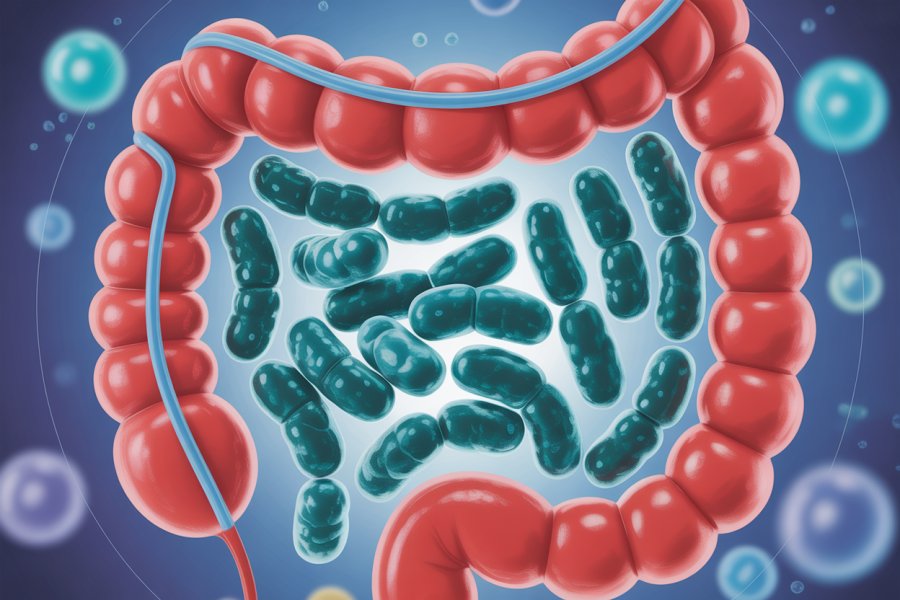
Probiotics are live microorganisms, often called “good bacteria,” that provide health benefits when consumed in sufficient amounts. They naturally live in our digestive system, helping to keep the bacteria balance in the gut healthy and diverse. You’ll find them in fermented foods like yogurt, kefir, sauerkraut, and kimchi, or in dietary supplements designed to boost your gut flora. Their main role is to support digestion, nutrient absorption, and immune function by maintaining a balanced microbiome.
When your gut microbiome is in harmony, it can improve how you digest food, reducing common issues such as bloating, gas, and irregular bowel movements. Some strains of probiotics are also believed to strengthen your immune defenses and aid recovery after taking antibiotics, which can wipe out beneficial bacteria along with harmful ones. This makes probiotics an appealing option for anyone looking to support their overall digestive health and resilience against illnesses.
However, probiotics aren’t a one-size-fits-all solution. Different strains have distinct effects, and individual responses can vary widely. For some, introducing new beneficial microbes may cause mild side effects like gas or bloating initially. Others, especially those with weakened immune systems or underlying health conditions, might not see benefits at all or could even face risks. That’s why understanding what probiotics can do—and where they might fall short—is crucial for making informed choices.
Choosing the right probiotic involves more than just grabbing a supplement or a fermented food product. It’s important to consider your specific health goals. Natural sources like yogurt and fermented vegetables offer a gentle, daily way to support gut health, while supplements can provide targeted doses if needed. Look for products that specify well-researched strains, such as Lactobacillus or Bifidobacterium, and check the CFU count to ensure you’re getting an effective amount of live bacteria. Consistency in intake helps build and maintain a resilient microbiome over time.
Incorporating probiotics into your routine doesn’t need to be complicated. Adding probiotic-rich foods to your meals—like a serving of yogurt or some sauerkraut—can be simple and enjoyable. If you opt for supplements, follow storage instructions carefully, usually in a cool, dry place, to keep the bacteria alive. Regularity is key; making probiotics a consistent part of your diet allows their benefits to accumulate gradually, supporting your digestive health in the long run.
Supporting your gut health with probiotics is just one piece of a broader lifestyle approach. Pairing their use with a balanced diet, regular exercise, and good stress management enhances their effectiveness. Keep in mind that probiotics are not a quick fix but a supportive tool that works best when integrated into a healthy, consistent routine. By understanding their role and limitations, you can harness their benefits more effectively and confidently on your wellness journey.
The Real Benefits and Limitations of Probiotics
Probiotics are often praised for their ability to support digestive health, and many people do experience noticeable benefits from adding them to their routines. They help restore and maintain a balanced gut microbiome, which is key to reducing issues like bloating, gas, and irregular bowel movements. For those suffering from constipation or diarrhea, specific probiotic strains can promote regularity and provide relief without the need for medication. Beyond digestion, probiotics may also bolster immune defenses, as a significant portion of the immune system resides in the gut. A healthy microbiome can help keep harmful bacteria in check, potentially reducing the frequency and severity of illnesses.
However, these benefits aren’t guaranteed for everyone. The effects of probiotics vary widely depending on the strains used and individual differences in gut flora. Some people respond strongly, experiencing clear improvements, while others see little to no change. Mild side effects like bloating or gas are common when first introducing probiotics, but they usually fade quickly. For some, especially those with compromised immune systems or underlying health conditions, probiotics could pose risks or cause discomfort, making it important to consult a healthcare professional before starting.
The limitations of probiotics become clearer when considering their variability. Not all strains are equally effective for every condition, and the benefits depend heavily on choosing the right type, dose, and duration of use. A product with a high CFU count doesn’t necessarily mean better results; quality and strain specificity matter just as much. Moreover, some individuals might find that probiotics offer only minimal benefits despite consistent use, which can be frustrating. This inconsistency highlights that probiotics are not a one-size-fits-all solution.
Probiotics are most effective when combined with other healthy habits. They support, but don’t replace, a balanced diet rich in fiber, regular exercise, and stress management. In fact, fiber acts as fuel for beneficial bacteria, helping them thrive and do their job better. Relying solely on supplements or fermented foods without considering overall lifestyle can limit their impact. It’s also wise to start slowly, especially for newcomers, to allow the gut to adjust without causing unnecessary discomfort.
While probiotics can play a role in immune support and overall health, they’re not magic bullets. Their benefits depend on careful selection, proper use, and realistic expectations. Some users may see significant improvements, but others might notice little change. Recognizing their limitations enables more responsible, effective use. As scientific understanding advances, personalized approaches to probiotic use could become more common, offering targeted benefits for individual needs.
In summary, probiotics are valuable tools in supporting digestive health, but they are not a cure-all. Their success relies on choosing appropriate strains, dosing correctly, and integrating them into a broader healthy lifestyle. Being aware of their limitations and individual responses helps maximize their potential without falling for exaggerated claims. When used thoughtfully, probiotics can be a helpful part of your overall wellness routine, supporting a resilient and balanced gut over the long term.
Selecting and Incorporating Probiotics into Your Daily Routine
Choosing the right probiotic starts with understanding your specific health goals. If your aim is to support digestion, natural sources like yogurt, kefir, sauerkraut, and kimchi are simple, tasty options that fit easily into daily meals. These foods provide a variety of strains in their natural form, making them a gentle way to boost your gut health without much effort. For targeted needs, such as recovering from antibiotics or managing chronic digestive issues, supplements might be more effective. When selecting a supplement, look for products that list well-researched strains like Lactobacillus or Bifidobacterium, and check the CFU count to ensure you’re getting an adequate dose of live bacteria.
Pairing probiotics with a diet rich in fiber enhances their impact. Fiber acts as fuel for the beneficial bacteria, helping them thrive and do their job more efficiently. Incorporate plenty of fruits, vegetables, and whole grains alongside your probiotic foods or supplements to create an environment that supports your gut’s ecosystem. Consistency is key—making probiotics a daily habit ensures the microbiome remains balanced and resilient. Whether you choose to include probiotic-rich foods in your meals or take supplements at a set time each day, sticking to a routine helps build long-term benefits.
Quality matters just as much as choosing the right product. Not all supplements are created equal, so do a little research before buying. Look for brands that specify the strains included and list the CFU count at the time of expiry, since bacteria can lose potency if stored improperly. For natural foods, buy from reputable sources and check labels for live cultures to confirm you’re getting the real deal. Starting slowly, especially if you’re new to probiotics, allows your body to adjust without discomfort—begin with small servings or lower doses and observe how you feel.
Proper storage is essential to keep probiotics effective. Most supplements should be kept in a cool, dry place, away from direct sunlight, to preserve live bacteria. If you’re consuming fermented foods, ensure they are fresh and stored correctly to maximize their probiotic content. Incorporating probiotics into your routine doesn’t mean overhauling your lifestyle; it’s about making small, consistent choices. Setting a specific time each day—like with breakfast or lunch—can turn probiotic intake into a habit that supports your gut health over time.
Remember, probiotics are part of a larger picture. They work best when combined with a balanced diet, regular exercise, and stress management. Relying solely on supplements or fermented foods won’t fix underlying issues caused by poor nutrition or chronic stress. Think of probiotics as an aid, not a cure. Patience and consistency will yield the best results, and listening to your body’s responses can help you tailor your approach. When integrated thoughtfully, probiotics can become a reliable ally in maintaining a healthy, resilient gut.
Practical Tips to Enhance Your Probiotic Journey
Getting started with probiotics doesn’t have to be complicated. Begin by looking at your current diet to identify natural sources of beneficial bacteria. Foods like yogurt, kefir, sauerkraut, and kimchi are easy, tasty options you can add regularly to your meals. Incorporating a serving of yogurt at breakfast or tossing some fermented vegetables into your lunch makes supporting your gut both simple and enjoyable. These natural foods are generally safe, provide a variety of strains, and support consistent intake without much effort.
If you prefer a more targeted approach, probiotic supplements can offer specific strains tailored to your needs. When choosing a supplement, check the label for well-researched strains such as Lactobacillus or Bifidobacterium, and pay attention to the CFU count—aiming for between 1 billion and 10 billion CFUs per dose usually works well for daily use. Pairing these with a diet high in fiber, like fruits, vegetables, and whole grains, enhances their effectiveness, as fiber acts as fuel, helping beneficial bacteria thrive and do their job better.
Consistency is key. Whether you’re eating probiotic-rich foods or taking supplements, making them part of your daily routine helps keep your microbiome balanced and resilient. Setting a specific time each day—such as with breakfast or lunch—can turn probiotic intake into a habit that supports long-term health. Proper storage of supplements is also important; most should be kept in a cool, dry place away from direct sunlight to preserve the live bacteria.
Starting slowly allows your body to adjust smoothly. If you’re new to probiotics, begin with small servings or lower doses and observe how your system responds. Mild symptoms like bloating or gas may occur initially but usually pass within a few days. If discomfort persists or worsens, consider re-evaluating your choice or consulting a healthcare professional, especially if you have underlying health conditions.
Incorporating probiotics isn’t just about supplements or fermented foods. It’s about making mindful choices that support your overall lifestyle. A balanced diet, regular exercise, and good stress management all boost gut health and make probiotic efforts more effective. Think of probiotics as an addition to your routine, not a quick fix—patience and consistency will bring the best results over time.
Proper storage and routine are vital to maintain the potency of supplements. Most probiotic capsules or powders should be kept in a cool, dry place to keep bacteria alive. When consuming fermented foods, always check freshness and storage conditions to maximize their benefits. Small daily habits, like adding a spoonful of yogurt or a side of sauerkraut to your meals, gradually build a healthier gut environment.
Remember, probiotics are most effective when integrated into a comprehensive approach. They support, but don’t replace, good nutrition, exercise, and stress reduction. Relying solely on supplements or fermented foods without addressing underlying lifestyle factors limits their impact. Be patient, listen to your body’s responses, and adjust your routine as needed. When used thoughtfully, probiotics can become a reliable, supportive part of your journey toward better gut health and overall wellness.

Future of Gut Health: Insights, Innovation, and Informed Use
Probiotics have gained popularity for their potential to support digestive health and boost overall well-being. Many people notice improvements in issues like bloating, irregularity, and post-illness recovery when they incorporate these tiny allies into their routines. While their benefits can be meaningful, they aren’t a universal fix. The effects depend heavily on the specific strains used, individual gut biology, and how consistently probiotics are added to daily life. Recognizing this helps set realistic expectations and encourages mindful use.
Science continues to explore the broader impacts of probiotics, suggesting they may influence immune function, mental health, and metabolic processes beyond just digestion. Advances in microbiome research promise more personalized approaches in the future, tailoring probiotic treatments to individual needs for greater effectiveness. However, current evidence still requires cautious interpretation, and not all claims about probiotics hold up under scientific scrutiny. Staying informed and critical helps consumers make smarter choices.
Using probiotics wisely means understanding their limitations as well as their potential. They should complement a balanced diet, regular exercise, and stress management, not replace healthy habits. Being patient and observant of how your body responds allows you to adjust your routine gradually. Some may see quick results, while others need more time to notice benefits. Keeping expectations grounded prevents disappointment and promotes a sustainable, long-term approach.
As research evolves, the future of probiotics looks promising but also complex. Personalized microbiome testing could unlock more targeted and effective therapies, transforming how we support gut health. Meanwhile, ongoing studies aim to clarify which strains work best for specific conditions and how to optimize dosing. Staying curious and open to emerging evidence empowers you to adapt your habits and maximize the benefits of probiotics in your wellness journey.
In the end, probiotics are tools—not magic bullets—within a broader health strategy. Their success lies in thoughtful selection, consistent use, and integrating them into a healthy lifestyle. Approaching probiotics with curiosity, patience, and realistic expectations helps ensure they serve as reliable allies in building resilience, supporting digestion, and enhancing overall vitality for years to come.