In an era where traditional locks no longer suffice, modern home security has evolved into a sophisticated, interconnected system designed for maximum protection and peace of mind. From smart cameras and remote monitoring to biometric locks and automated sensors, today’s solutions offer proactive defenses that respond instantly to threats. But do these advanced technologies truly safeguard families in a world filled with unpredictable dangers and cyber vulnerabilities? This comprehensive overview explores how integrated security systems have transitioned from basic deterrents to dynamic safety networks, emphasizing their practical applications and effectiveness in real-world scenarios. As innovations like AI-driven analytics and automation become more prevalent, the question remains: can these cutting-edge tools anticipate and prevent threats before they happen? The future of home security promises smarter, more autonomous solutions—yet balancing convenience, cybersecurity, and reliability will be essential to creating truly resilient homes in an increasingly connected world.
Jump To Section
Transforming Home Safety: The Rise of Integrated Security Systems
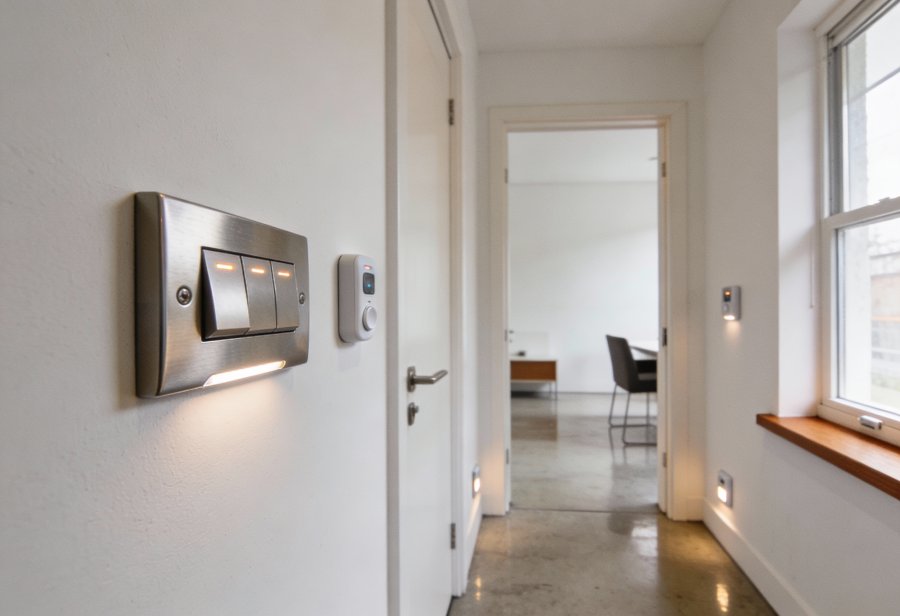
Modern home security has transformed dramatically from the days when a simple lock or alarm would do. Today’s households rely on integrated systems that combine smart technology, remote control, and professional monitoring to create a comprehensive safety net. This evolution was driven by a growing desire for convenience, faster responses, and more effective deterrence against intruders and other threats. As technology advances, security solutions have become smarter, allowing homeowners to check on their homes and manage security features from anywhere using smartphones or computers. This shift reflects a broader move toward smart homes, where security is woven seamlessly into daily routines.
Physical barriers like deadbolts and padlocks still play a role, but they no longer stand alone. Modern systems integrate cameras, sensors, locks, and automation devices that work together to provide a layered defense. These connected devices offer real-time alerts and remote access, giving homeowners immediate control and peace of mind, whether they’re at work, on vacation, or relaxing at home. The ability to respond quickly to suspicious activity has turned home security into a proactive safeguard rather than just a reactive measure.
Understanding this progression helps us appreciate how today’s security systems do more than just prevent break-ins. They actively keep us informed and in control with features like instant alerts, live video feeds, and remote locking. These capabilities were unimaginable a few decades ago but now are essential tools for protecting families and valuables. The interconnected nature of these systems allows for layered responses—viewing footage, locking doors remotely, or contacting authorities—delivering a level of safety that adapts to today’s complex environment.
This technological leap also introduces new challenges. Cybersecurity risks and reliance on stable internet connections mean that vulnerabilities can arise, making regular updates and protections vital. Despite these hurdles, the benefits of integrated, remote-controlled security solutions far outweigh the drawbacks, especially when combined with professional monitoring services that add an extra layer of security. These services ensure that help is dispatched promptly, even if technical issues occur.
The move toward smart, integrated security solutions highlights a clear trend: the future of home safety is connected, intelligent, and responsive. Recognizing how far security systems have come allows homeowners to better understand the tools available today. It’s a shift from mere deterrence to active protection—creating environments where safety is embedded into everyday life, providing reassurance amid today’s unpredictable world.
From Locks to Intelligence: The Evolution of Home Security Technology
Home security has come a long way from its humble beginnings, reflecting rapid technological progress and shifting homeowner priorities. Initially, security focused on simple physical barriers like deadbolts and padlocks, which served as basic deterrents but offered limited protection against determined intruders. These measures were easy to bypass and relied heavily on human vigilance. As safety concerns grew, electronic alarms emerged, sounding loudly when doors or windows were forced open. While effective at alerting residents, early alarm systems depended on manual activation and could be easily disabled with some technical know-how.
The late 20th century marked a significant turning point with the introduction of CCTV cameras. These devices provided visual oversight, allowing homeowners to monitor their property remotely and review footage after an incident. The expansion of internet connectivity made it possible to access live feeds from anywhere, transforming security from a reactive to a proactive approach. Suddenly, owners could check on their homes during the day or while away, increasing peace of mind and control.
This period also saw the integration of alarms with professional monitoring services. Instead of relying solely on loud sirens, security companies offered trained personnel to verify alarms and coordinate rapid responses. Sensors became more sophisticated, capable of detecting not just intrusions but also environmental hazards like smoke or carbon monoxide. This layered system created a comprehensive safety net, elevating home security to a new level of reliability and responsiveness.
This theme is discussed in greater detail in Jessamine Robinson‘s article Transforming Home Security with Smarter, Seamless Technology on Maple Syrup Diaries.
In recent years, smart home technology has further revolutionized security systems. Devices now communicate seamlessly through interconnected platforms, enabling real-time alerts, remote management, and automation. AI-powered cameras analyze footage to distinguish between normal activity and potential threats, reducing false alarms. Biometric access controls like fingerprint scanners and facial recognition add an extra layer of security, allowing keyless, secure entry that can be managed remotely. These innovations have made security systems more adaptable and user-friendly.
Despite these advancements, the evolution of home security also introduces new challenges. Increased digital connectivity exposes systems to cybersecurity threats, such as hacking or malware. Reliance on internet stability means that technical failures can temporarily compromise safety measures. This ongoing arms race has prompted homeowners and manufacturers to prioritize cybersecurity protections, regular updates, and professional monitoring services that serve as an additional safeguard.
Looking ahead, the trajectory of home security points toward even smarter, more autonomous solutions. Advances in artificial intelligence and machine learning will enable systems to predict and prevent threats before they happen. Homes will learn routines and adjust responses automatically, creating a truly proactive environment. While these innovations promise greater safety and convenience, they also underscore the importance of balancing technological progress with cybersecurity and user oversight. As a result, home security continues to evolve into a sophisticated, integrated ecosystem designed to meet the complex demands of modern life.
Protect Your Markham Property with F.I.S.T Security’s Expert Solutions
F.I.S.T Security is a trusted Canadian owned and operated business based in Markham, Ontario, specializing in comprehensive security solutions. Our services include intruder detection, card access, closed circuit television (CCTV), intercoms, alarm monitoring, remote video monitoring, lighting, and environmental control. We take pride in our reputation for excellence and consistently go the extra mile to meet our clients’ needs. Whether you’re seeking a reliable alarm system or tailored security measures, F.I.S.T Security is committed to safeguarding your property and peace of mind. Contact us today at 416.755.4233 or email [email protected] to learn more about how we can secure your Markham residence or business.
Building Blocks of Safety: Core Components Powering Modern Home Security
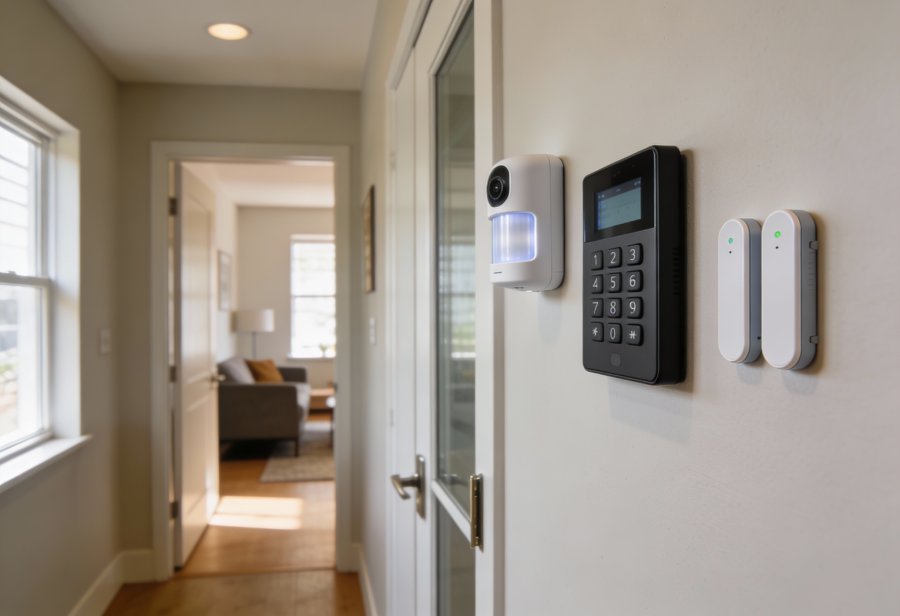
Modern home security systems are built around a few core components that work together to keep homes safe and responsive. Cameras are a staple—whether placed indoors or outdoors—they provide live feeds and recordings that serve both as a deterrent and as evidence if something happens. Today’s cameras are more advanced, often discreet, and accessible remotely through smartphones or computers, allowing homeowners to check on their property anytime, anywhere. This real-time visibility offers peace of mind and quick insight into suspicious activity, making security more proactive.
Smart locks have redefined access control. Gone are the days of traditional keys; now, managing entry is as simple as using a smartphone app, key fob, or biometric identifier like a fingerprint. These locks make it easy to grant temporary access to visitors or service providers while maintaining control. Every entry and exit can be logged, creating a clear record of activity, which enhances security and accountability. When integrated with other devices, smart locks turn a simple door into a crucial part of an interconnected security network.
Alarm sensors form the first line of defense. Motion detectors, door and window contacts, and glassbreak sensors detect unauthorized activity instantly. When triggered, they alert homeowners or monitoring services, enabling swift action. These sensors can be tailored to specific zones or schedules, reducing false alarms while ensuring that real threats are caught immediately. Their placement and integration create a layered, responsive system that actively detects and responds to intrusions, giving homeowners an edge in prevention.
The topic is expanded upon in Revolutionizing Home Safety with Next-Gen Remote Security Systems, an article by Jens Williams on Madison County Friends.
Automation ties everything together. Modern security systems connect with lighting, thermostats, and voice assistants, creating a seamless ecosystem. For example, arming the system can trigger outdoor lights to turn on at night, deterring intruders and illuminating cameras for better footage. This interconnected setup enhances safety while simplifying daily routines, making security an integral part of home life. Managing these devices through a central hub or app allows quick responses and simplifies operations, turning complex technology into an intuitive experience.
All these components—cameras, locks, sensors, and automation—are designed to work as a cohesive unit. Their integration creates a comprehensive safety network that adapts to different situations and needs. This layered approach makes modern home security remarkably effective, offering real-time alerts, remote control, and proactive responses. As technology advances, these core elements will become even smarter, further strengthening the safety and resilience of our homes.
Real-World Safeguards: Practical Applications and Proven Effectiveness
Modern security components are now put to the test in real-world situations, proving their ability to keep homes safer and more responsive. For instance, homeowners frequently rely on live CCTV feeds to monitor their property remotely, which acts both as a deterrent and a quick way to verify suspicious activity. When a camera detects movement or unusual behavior, immediate access to footage allows residents to decide whether to contact authorities or take other actions, often preventing damage or theft before it escalates.
Smart locks and keyless entry systems demonstrate their value through everyday convenience and security. Managing access remotely lets homeowners grant temporary entry to trusted visitors, service providers, or delivery personnel without handing over physical keys. This flexibility means families and trusted neighbors can come and go freely, while owners maintain oversight and control. The ability to lock or unlock doors remotely enhances security, especially when residents are away, reducing the risk of unauthorized access.
Automation features further boost practical security. When motion sensors detect activity in a dark outdoor area, they can trigger outdoor lights to turn on instantly, startling intruders and illuminating the scene for cameras. This quick response not only deters potential threats but also provides clearer footage for verification. Environmental sensors like smoke detectors or carbon monoxide alarms connected to the system alert residents immediately and notify emergency services if needed, transforming a house into a comprehensive safety network.
Experience the Future of Smarter, Seamless Home Security offers a complementary viewpoint from Ivy Perez on Jim Dear!.
These integrated solutions actively prevent crime by making homes less attractive targets. A combination of surveillance, motion detection, and smart lighting creates a layered defense that discourages intrusions before they happen. For example, outdoor lights turning on automatically when movement is detected can make it nearly impossible for intruders to approach unnoticed, significantly lowering break-in chances. This proactive approach offers peace of mind, knowing the system works continuously to protect the home.
However, practical challenges remain. Power outages or system malfunctions can temporarily disable security features, and cyber threats pose risks if connected devices aren’t properly secured. Many homeowners rely on professional monitoring services to mitigate these issues, providing 24/7 oversight and quick verification of alarms. These services act as an extra safety net, ensuring help arrives even if the technology encounters problems, maintaining a high level of protection.
Overall, applying modern security components in daily life highlights their true value. From deterring crime to enabling swift responses, these solutions transform homes into smarter, more resilient spaces. When homeowners understand how to leverage these tools effectively, they gain confidence and a greater sense of control over their safety. As technology advances, these practical applications will become even more sophisticated, offering enhanced peace of mind in an unpredictable world.
Securing the Future: Key Insights and Emerging Trends in Home Security
The evolution of home security has moved from basic physical barriers to sophisticated, interconnected systems that seamlessly integrate technology and automation. Today’s solutions combine smart cameras, remote control access, and professional monitoring to build a layered safety network that actively responds to threats. This progression reflects a clear demand for greater convenience, quicker responses, and smarter deterrence, all of which contribute to protecting families in an unpredictable world.
Modern security systems do more than simply deter crime—they help prevent it. Features like real-time video feeds, instant alerts, and remote locking empower homeowners with control and confidence, making it easier to react swiftly to suspicious activity. Whether checking live footage from the office or locking doors remotely during travel, these tools turn home safety into a proactive, manageable environment. This shift transforms security from a passive measure into an active part of everyday life.
Looking ahead, the future promises even smarter, more autonomous systems. Advances in artificial intelligence and machine learning will enable security solutions to analyze behavior, reduce false alarms, and anticipate threats before they escalate. Homes will adapt through learning routines and adjusting responses automatically, creating a truly intuitive security environment. These innovations will not only enhance safety but also embed security seamlessly into daily routines, making homes more resilient and responsive.
However, increased connectivity introduces new challenges. Cybersecurity threats and system vulnerabilities require ongoing vigilance—regular updates, robust protections, and professional monitoring will remain essential. Ensuring these systems are secure against hacking and technical failures is crucial to maintaining trust and effectiveness. Balancing technological progress with vigilant oversight will be key to leveraging the full potential of smart home security.
Ultimately, the future of home security lies in creating environments that are both intelligent and adaptable. By building on past innovations and embracing emerging technologies, homeowners can enjoy a safer, more connected living space. These advanced systems will continue to evolve, offering peace of mind and confidence in an increasingly complex world, where safety is woven into the fabric of daily life.