In an era where communication is the backbone of business success, the evolution from traditional landlines to advanced VoIP platforms is transforming how companies connect, collaborate, and compete. Modern systems offer features like auto-attendants, call routing, and mobile integration that project professionalism and scalability, even for small businesses. But as digital tools become more embedded, questions arise: are these innovations merely upgrades, or are they reshaping the very essence of business connectivity? Future trends—including AI-driven automation, 5G-enabled high-definition communication, and immersive AR/VR interactions—promise to further blur the lines between physical and digital worlds. The challenge lies in harnessing these technologies securely and effectively to create resilient, adaptable, and personalized communication ecosystems. As organizations navigate this rapidly changing landscape, embracing cutting-edge solutions may determine their ability to thrive in a hyper-connected, digital-first environment—and the true power of reliable communication has never been more critical.
Transform Your Business Communications with FiberConX’s Advanced Phone Solutions
Discover how FiberConX Communications can elevate your business with reliable business phone services tailored for Canadian companies. Specializing in VoIP and IP-based solutions, FiberConX offers features like voicemail, IVR, ring groups, and voicemail-to-mail, ensuring seamless communication flow. Whether you need sophisticated call routing or voicemail management, FiberConX’s services are designed to meet your unique needs. Contact their expert team at [email protected] or call 1.416.945.9210 today to learn how they can optimize your business communication infrastructure.
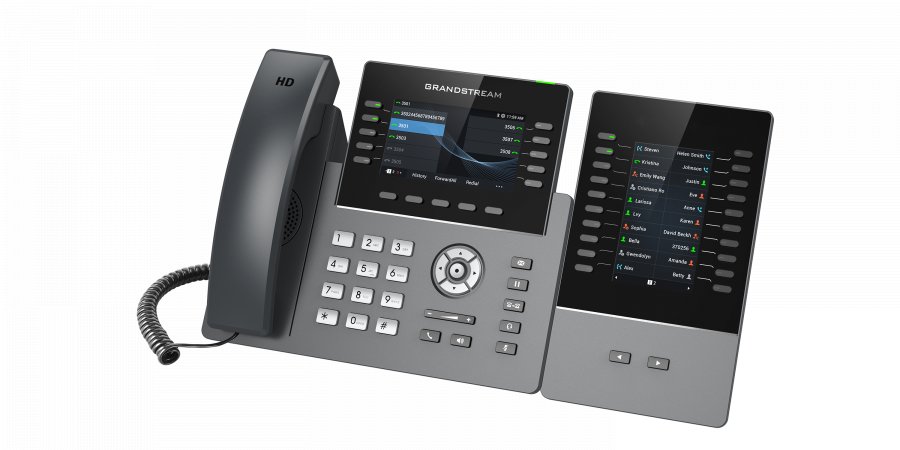
Modern Business Communication: The Backbone of Success
In today’s fast-moving business world, clear and dependable communication isn’t just a perk—it’s the backbone of success. Companies that can connect quickly with customers and collaborate seamlessly with teams often gain a competitive edge. Whether it’s making swift decisions, resolving client issues, or coordinating across multiple locations, effective communication keeps things moving smoothly.
Over the years, the tools we use for business communication have changed dramatically. From the days of landline phones relying on bulky wires, to internet-based systems that offer much more flexibility, each shift has aimed to improve how businesses stay connected. Moving from traditional analog phones to digital and cloud platforms has opened up new possibilities, making communication more accessible, efficient, and feature-rich.
This evolution isn’t just about technology upgrades; it’s about transforming how organizations operate daily. Modern phone services like Voice over Internet Protocol (VoIP) combine voice, video, and data in ways that improve professionalism and customer experience. Features like auto-attendants, call routing, and mobile integration help small businesses appear larger and more organized, giving them tools once reserved for big corporations.
Scalability is another key benefit. As companies grow, adding new lines or features is simple with cloud-based systems. They allow for quick adjustments without the need for extensive hardware upgrades. Plus, these systems offer disaster recovery options—calls can be automatically rerouted if hardware fails or networks go down—ensuring communication stays uninterrupted, no matter what.
Security has become a major concern as digital communication expands. Modern solutions include encryption, call recording, and access controls that protect sensitive conversations and help meet industry standards. This focus on safeguarding data builds trust with clients and partners, reinforcing a company’s reputation in an increasingly digital landscape.
The shift from landlines to internet-based platforms marks a fundamental change in business connectivity. These new systems enable companies to operate more flexibly, respond faster, and present a more professional image. They also support remote work and mobile teams, ensuring everyone stays connected regardless of location.
Understanding this shift and the technologies behind it helps organizations appreciate the power of reliable, modern communication. It’s not just about making calls—it’s about creating smarter, more resilient systems that adapt to today’s dynamic business environment.
Decoding Business Phone Technologies: VoIP and Cloud Systems Unveiled
Understanding business phone technologies means getting a clear picture of how today’s systems actually operate behind the scenes. At the core is VoIP, or Voice over Internet Protocol, which transforms your voice into digital data that travels over the internet. Instead of relying on traditional copper wires, VoIP sends these data packets efficiently, reducing costs and increasing flexibility. This shift has revolutionized business communication, making it easier to scale and adapt as needs change.
Cloud-based systems take this a step further by hosting all your phone functions on secure remote servers accessed via the internet. This setup eliminates the need for bulky on-site hardware and simplifies management. With cloud platforms, adding new lines, changing call routes, or updating features can be done instantly through an online dashboard. This level of flexibility is especially valuable for growing businesses that need to stay agile without heavy infrastructure investments.
Modern systems are built around internet protocols, breaking calls into small data packets that are sent over the web. This method makes communication more reliable and cost-effective while supporting high-quality audio and video. Cloud hosting ensures that all software, updates, and data are stored remotely, giving users seamless access from any device with an internet connection. This approach not only cuts expenses but also enhances system resilience and scalability.
Features like auto-attendants, call routing, and call forwarding are integral to these platforms. Auto-attendants greet callers with a professional message and direct them to the appropriate department without human intervention. Call routing allows calls to be automatically forwarded based on rules you set, ensuring inquiries reach the right person immediately. Call forwarding extends this flexibility, enabling employees to receive calls on their mobile devices, no matter where they are located.
These technologies also support a wide range of collaboration tools, such as conference calling, instant messaging, and video meetings. Integration of these features into a single platform streamlines internal communication and improves responsiveness, especially in remote or hybrid work environments. As digital transformation accelerates, understanding these underlying technologies is essential for leveraging modern communication tools effectively.
This theme is discussed in greater detail in Jessamine Robinson‘s article Transforming Business Communication for the Digital Age on Madison County Friends.
By grasping how VoIP and cloud-based systems work together, businesses can better appreciate the benefits of flexible, secure, and scalable communication solutions. These technologies are not just upgrades—they’re the backbone of a more connected, efficient, and professional operation in today’s digital-first world.

Unlocking the Power of Features: Enhancing Efficiency and Professionalism
Modern business phone services go far beyond basic voice calls, offering a suite of features that significantly boost operational efficiency and professionalism. Auto-attendants, for example, greet callers with a friendly message and automatically direct them to the right department, creating a seamless experience and projecting a polished image. This automation not only saves time but also helps small businesses appear larger and more organized, instilling confidence in customers.
Call routing is another powerful tool, allowing businesses to set rules that direct incoming calls based on factors like caller choice, time of day, or department. This ensures inquiries reach the right person quickly, reducing wait times and miscommunications. When combined with features like call queues and priority routing, companies can handle high call volumes smoothly without sacrificing quality.
Voicemail-to-email transcription transforms how teams manage messages. Instead of listening to voicemails, employees receive clear, written versions directly in their inboxes, enabling faster responses and preventing missed messages. Video conferencing and instant messaging integration further enhance collaboration, especially for remote or distributed teams, making communication more dynamic and immediate.
Cloud management dashboards make daily operations straightforward. Administrators can easily add new users, modify call flows, or update greetings with just a few clicks—no hardware required. This flexibility allows organizations to adapt quickly as they grow or change priorities, keeping communication channels aligned with their evolving needs.
Cay Klaire features a related article by Ophie Nelson titled Transforming Business Success Through Modern Communication Systems.
Security features like call encryption, access controls, and data retention are vital for protecting sensitive conversations and ensuring compliance with industry standards. These protections build trust with clients and partners while safeguarding the organization’s reputation in an increasingly digital landscape.
By leveraging these tools and features, modern business phone systems become strategic assets rather than simple communication channels. They support better customer interactions, streamline internal workflows, and provide valuable insights through analytics. Far from just making calls, these platforms help create smarter, more responsive, and more secure business environments that meet the demands of today’s fast-paced world.
Seamless Adoption: Implementing and Integrating Modern Phone Systems
Implementing a modern business phone system starts with understanding your organization’s specific communication needs. Take a close look at your team size, the features that will make a real difference, and how the new system will integrate with existing digital tools. Clear goals help you select a solution that fits your current operations while allowing room to scale as your business grows.
Choosing the right provider or platform is crucial. Look for options that are scalable, secure, and user-friendly. A reliable provider will guide you through onboarding, offer ongoing support, and provide regular updates. Comparing features like auto-attendants, call routing, and mobile app compatibility ensures you get a system tailored to your unique requirements.
Once you’ve made your choice, configuring the system involves setting up user accounts, defining call flows, and implementing security measures. Most platforms feature intuitive dashboards that let administrators manage these elements with ease. Proper setup of call routing rules and auto-attendants creates a professional first impression and ensures calls reach the right destination quickly.
Testing the setup thoroughly before going live helps identify and fix any issues. Make test calls to verify call routing, auto-attendant responses, and feature functionality. Training staff on new tools—such as voicemail-to-email, call forwarding, and conferencing—maximizes adoption and minimizes frustration. Well-prepared users can leverage the system’s full potential from day one, boosting productivity and service quality.
Managing a cloud-based system becomes straightforward once it’s operational. The online dashboards allow quick adjustments—adding lines, updating greetings, or changing call flows—without any hardware changes. This flexibility keeps your communication channels aligned with evolving business needs. Regular security checks, including encryption and access controls, protect sensitive conversations and ensure compliance with industry standards, building trust with clients and partners. A thoughtful implementation sets the stage for reliable, scalable, and secure communication that supports your business’s growth and resilience.
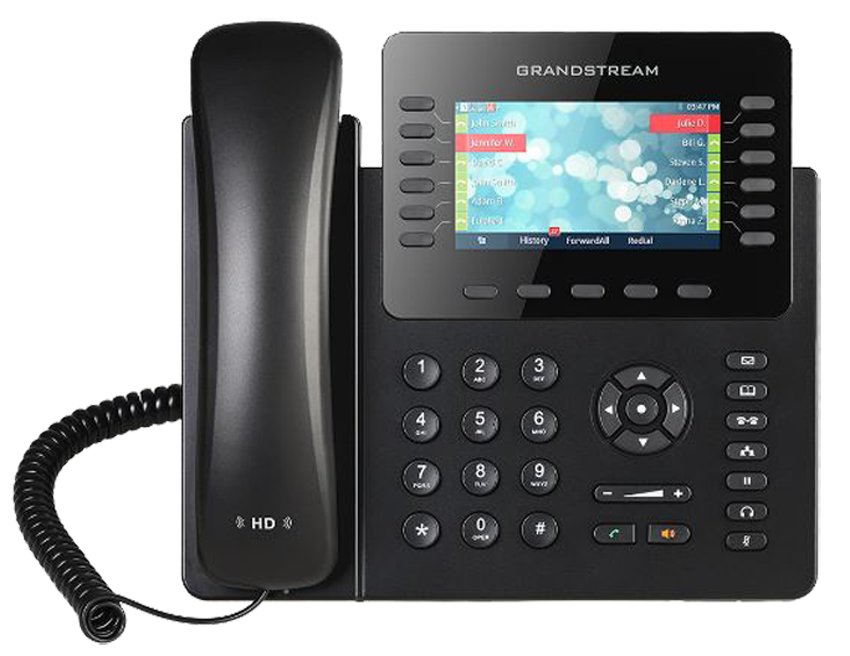
Future Horizons: Trends Shaping Next-Generation Business Communication
The future of business communication is unfolding at a rapid pace, driven by technological advancements that promise to reshape how companies connect, collaborate, and serve their customers. Artificial intelligence is increasingly integrating into communication platforms, enabling smarter call routing, automated chat responses, and virtual assistants that handle routine inquiries around the clock. These tools not only enhance customer experience but also free staff to focus on more complex, value-added tasks, making operations more efficient and responsive.
Faster and more reliable internet connections, especially with the rollout of 5G, will elevate remote and mobile communication to new levels. High-definition video calls, instant messaging, and data sharing will become seamless, supporting real-time collaboration regardless of location. This connectivity empowers distributed teams to work together as if they were in the same room, fostering a more agile and responsive business environment.
Security remains a top concern as digital communication expands. Ongoing innovations in encryption, threat detection, and compliance tools are vital to safeguarding sensitive conversations and ensuring regulatory standards are met. As cyber threats grow more sophisticated, organizations will need to adopt advanced security measures that protect data without hindering usability, maintaining trust with clients and partners in an increasingly digital landscape.
Emerging technologies like augmented reality (AR) and virtual reality (VR) are poised to revolutionize remote interactions. Imagine virtual meetings where participants appear as if they’re in the same space or AR tools that overlay data onto real-world environments. These immersive experiences will make remote collaboration more natural and engaging, breaking down geographical barriers and creating new opportunities for innovation.
The integration of virtual assistants and automation will extend beyond simple tasks, providing personalized, proactive support that anticipates needs and streamlines workflows. This evolution will blur the lines between physical and digital interactions, creating a more intuitive and human-like communication experience. Organizations that adopt these technologies early will gain a competitive edge by offering faster, more personalized service.
Flexibility and scalability will become even more critical as businesses adapt to changing market conditions. Cloud-based platforms will continue to lead the charge, allowing organizations to easily expand or modify their communication systems without costly hardware upgrades. This agility will enable companies to respond swiftly to disruptions, scale operations seamlessly, and maintain high levels of service.
As these innovations converge, the overall goal remains clear: to create smarter, more secure, and interconnected communication networks that support agility and growth. Staying ahead involves not just adopting new tools but thoughtfully integrating them into existing workflows to maximize value. Those who embrace these trends will find themselves better positioned to thrive in a future where connection and collaboration are more vital than ever.