In an era where seamless communication fuels business success, modern phone systems are revolutionizing connectivity—so, how will these innovations shape the future of professional interaction? From traditional landlines to cloud-based VoIP platforms, organizations now enjoy unmatched flexibility, scalability, and professionalism. Features like mobile integration, video conferencing, and AI-driven automation are transforming workplaces into dynamic, responsive environments. But with these rapid advancements come questions about security, adaptability, and the evolving landscape of remote work. As 5G, AI, and blockchain technologies promise even more resilient and intelligent systems, businesses face the challenge—and opportunity—of staying ahead in a digital world that demands agility and innovation. Will future communication tools merely support operations, or become strategic assets driving growth and customer loyalty? Navigating this shift requires foresight, but the potential for reimagining professional connectivity has never been greater.
Revolutionize Your Business Communications with FiberConX
Discover how FiberConX Communications can elevate your business with reliable business phone service tailored for companies in Canada. Specializing in VoIP and IP business phone solutions, FiberConX offers features like voicemail, IVR, Ring Groups, and voicemail-to-mail, ensuring seamless communication for your team. Whether you’re a startup or an established enterprise, their advanced telephony services help improve customer interactions and boost productivity. Reach out today at [email protected] or call 1.416.945.9210 to learn more about how FiberConX can transform your business communications.
Embracing the Evolution of Modern Business Communication
In today’s fast-moving business world, clear and reliable communication isn’t just a luxury—it’s a necessity. Over the past few decades, the way companies connect internally and with their customers has transformed dramatically. From traditional landlines to internet-based systems, each step has opened new doors for flexibility, efficiency, and professionalism. This evolution reflects a broader shift toward smarter, more adaptable tools that keep businesses connected no matter where they are.
The journey began with the rise of VoIP, or Voice over Internet Protocol, which routes calls over the internet instead of using physical phone lines. This innovation slashed costs and made it easier for companies to scale their communication infrastructure quickly and affordably. Small startups and global corporations alike could now add new lines or features with a few clicks, ditching bulky hardware and complex wiring. This shift paved the way for the cloud-based platforms that dominate today’s landscape.
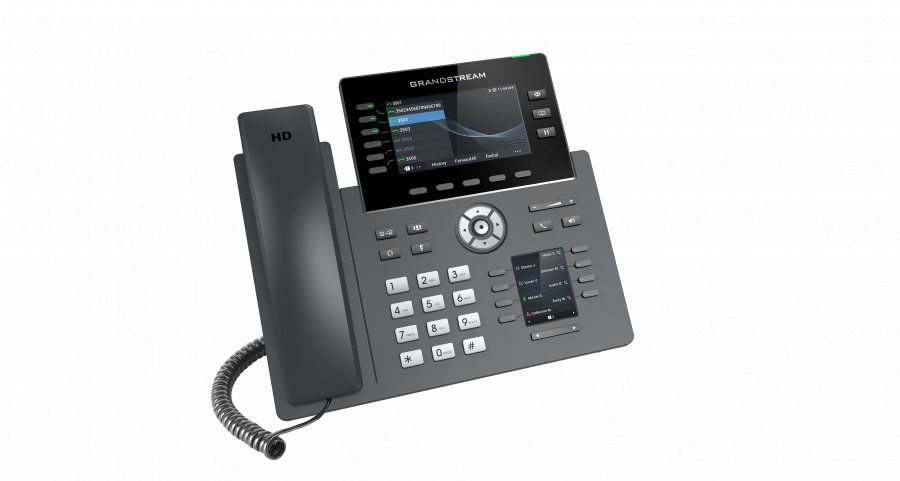
Modern business phone systems are built on these cloud platforms, offering a level of flexibility that traditional systems simply couldn’t match. They combine core components like servers, IP phones, auto-attendants, and call routing, all managed remotely. This setup allows organizations to operate seamlessly from anywhere—be it in the office, at home, or on the move. Features like voicemail-to-email, video conferencing, and call forwarding are now standard, helping businesses appear more professional and respond faster to customer needs.
Beyond convenience, these systems are vital for maintaining competitiveness. They enhance customer experience through quick, clear interactions and support internal collaboration across dispersed teams. As technology continues to evolve, security and compliance have become central concerns, with encryption, call recording, and data protection features built in to safeguard sensitive conversations and meet industry standards.
The shift from landlines to internet-based communication reflects a broader move toward more agile, scalable, and secure solutions. These advanced tools are not just responding to today’s demands—they’re shaping the future of how organizations connect, collaborate, and grow. As the digital landscape advances, modern business communication tools will remain at the heart of organizational success, enabling companies of all sizes to stay connected and competitive in an increasingly interconnected world.
From Landlines to Cloud: The Foundations of Business Communication
The way businesses communicate has evolved dramatically from the days of simple landline phones, which depended heavily on physical infrastructure like copper wires and hardware-based exchanges. These traditional systems provided reliable voice connections for decades but proved rigid and costly to scale or adapt as companies expanded or shifted toward remote work. As organizations grew more complex, the limitations of these legacy systems became clear, sparking a search for more flexible, scalable solutions.
The breakthrough came with digital innovations, particularly Voice over Internet Protocol (VoIP). Unlike traditional landlines, VoIP transmits voice over the internet, reducing costs and enabling rapid scalability. Businesses no longer needed to install physical lines or hardware upgrades to add extensions; instead, they managed their communications through cloud platforms. This shift made it easier to expand services quickly, supporting remote workforces and mobile connectivity.
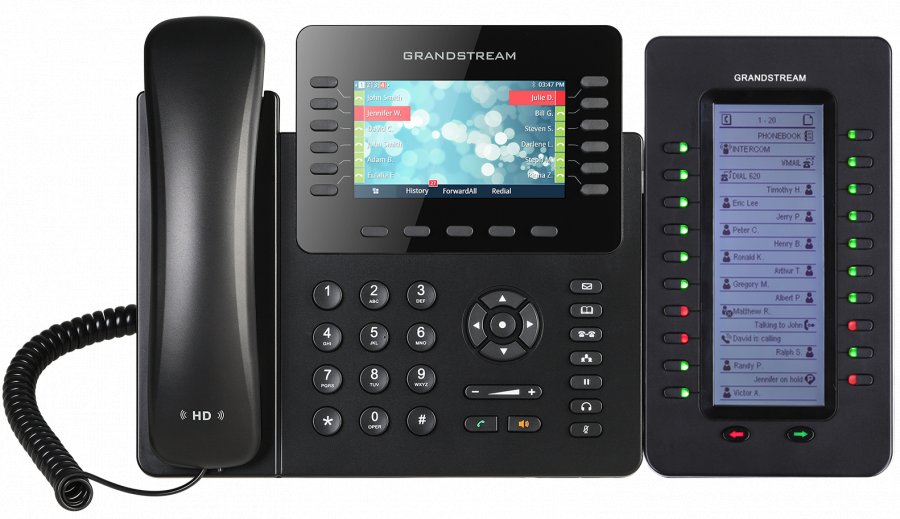
Modern business communication systems are built on a foundation of key components that work together seamlessly. Servers handle call routing and management, while IP phones and softphones serve as user interfaces. Auto-attendants act as virtual receptionists, greeting callers professionally and directing them efficiently without human intervention. Call routing mechanisms ensure that each call reaches the right department or individual based on predefined rules, streamlining interactions and enhancing professionalism.
The topic is expanded upon in Revolutionizing Business Communication with Future-Ready Phone Technologies, an article by Gabby Reed on Top Tier Assistance.
The move to internet-based systems also introduced features that traditional landlines couldn’t support. Video conferencing allows face-to-face communication regardless of physical location, facilitating more dynamic meetings. Mobile integration ensures that employees stay connected through smartphones, whether in the office or on the go. These innovations have created a more flexible, responsive communication environment that aligns with today’s increasingly remote and hybrid work models.
This evolution from landlines to cloud-based, internet-driven platforms reflects a broader shift toward more agile, scalable, and secure communication solutions. The foundational components—servers, IP phones, auto-attendants, and routing systems—have been refined and integrated into platforms that support modern business needs. They enable organizations to communicate effectively across locations and devices, laying the groundwork for the advanced features and trends shaping today’s business communication landscape.

Transforming Business Interactions: Trends Shaping Today’s Communication Landscape
Modern business communication isn’t just evolving; it’s transforming how organizations operate daily. Today’s companies see their phone systems as strategic tools that do more than just facilitate calls—they enhance customer experience, boost internal collaboration, and foster agility. Cloud-based platforms, which seamlessly integrate voice, video, and data, are at the forefront of this shift, enabling businesses to adapt quickly to changing needs and market conditions. The proliferation of VoIP technology has broken down geographical barriers, allowing remote and hybrid teams to communicate as naturally as if they were in the same room.
Mobile integration has become a game-changer, empowering employees to stay connected from anywhere. Whether in the office, working remotely, or on the move, staff can make calls, access voicemails, and join conference calls through smartphones, ensuring that responsiveness remains high. This flexibility not only improves productivity but also shapes a workplace culture that values agility and accessibility. As these trends continue to develop, organizations are increasingly perceiving their communication systems as vital assets that support growth, innovation, and customer satisfaction.
Artificial intelligence and automation are reshaping how calls are routed, supported, and personalized. Smarter auto-attendants, real-time transcription, and predictive analytics help streamline interactions, reduce wait times, and deliver more tailored experiences. These features enable companies to anticipate customer needs and respond with precision, fostering stronger relationships and higher satisfaction. Meanwhile, security features such as end-to-end encryption and compliance tools are becoming standard, helping organizations protect sensitive conversations and meet evolving industry standards without sacrificing usability.
Video conferencing has become an integral part of the communication landscape, blurring the lines between remote and in-person interactions. Embedded within modern platforms, it facilitates face-to-face engagement that feels natural and engaging, supporting collaboration across dispersed teams. As technology advances, these tools will become even more intuitive, fostering a sense of presence and teamwork that overcomes physical distance. The integration of next-generation networks and security measures will further ensure these interactions are seamless, resilient, and trustworthy.
For another take on this topic, see Ike Collins‘s article Transform Your Business Communication with Cutting-Edge Phone Solutions on Inspyro.
Overall, the perception of business communication is shifting towards a smarter, more resilient ecosystem. Companies now recognize the importance of innovation-driven features like AI, mobile integration, and robust security in maintaining a competitive edge. As these trends accelerate, organizations that embrace the latest technologies will find themselves better equipped to deliver exceptional customer experiences, operate efficiently, and adapt to future challenges—making modern communication systems not just a necessity, but a core driver of success.
Implementing Success: Practical Strategies for Modern Phone Systems
Implementing modern business phone systems begins with a clear understanding of your organization’s specific communication needs. Start by identifying the features that will deliver the most value—whether that’s enabling remote work with mobile access, managing high call volumes through auto-attendants, or integrating video conferencing for better collaboration. Choosing a reliable cloud provider is essential; look for one with strong security measures, flexible plans, and responsive support to ensure your system can grow seamlessly with your business.
Once you’ve selected the right provider, plan your rollout carefully. A phased approach allows teams to transition gradually, minimizing disruptions and giving staff time to adapt. Providing hands-on training, user guides, and quick-reference materials helps your team become comfortable with new features. Clear communication about what to expect reduces confusion and builds confidence during the transition.
Monitoring how your team uses the system offers valuable insights. Regular feedback can reveal which features are underutilized or where users encounter difficulties. Simple refresher sessions or targeted training can boost adoption and maximize the system’s benefits. Staying engaged with system performance and user experiences ensures you can address issues early and optimize workflows.
Managing the technical environment is equally important. Confirm that your network can handle increased bandwidth demands from VoIP and video calls to maintain high-quality connections. Work with vendors experienced in integrating new systems with existing software to prevent compatibility issues. Implement security best practices from the start—use encryption, strong passwords, and access controls to protect sensitive conversations and ensure compliance.
Supporting your staff with comprehensive resources is key to long-term success. Develop checklists outlining implementation steps, key features, and troubleshooting tips. Internal documentation and dedicated support channels enable quick resolution of common issues, reducing downtime. Providing ongoing training through webinars, updates, and refresher courses helps your team stay current and confident in using all features.
GTA Crier offers a relevant article by Izzy Spencer titled Transform Your Business Communication with Modern Phone Solutions.
A well-managed deployment transforms your phone system into a strategic asset. When staff are trained, security measures are in place, and continuous monitoring occurs, these tools foster more responsive, professional, and scalable communication. This, in turn, enhances internal collaboration and strengthens customer relationships, supporting your organization’s growth.
By approaching implementation thoughtfully, you ensure your investment in modern communication tools delivers maximum impact. The goal is a seamless transition that empowers your team, safeguards your conversations, and prepares your organization to thrive in a digitally connected world.
Looking Ahead: Future Innovations in Business Communication
The future of business communication is poised for remarkable transformation, driven by advances in connectivity, security, and intelligence. As 5G networks become more widespread, mobile interactions will become faster and more reliable, even in challenging environments. This shift will enable remote teams to collaborate seamlessly, blurring the lines between office and fieldwork, and fostering a truly connected workplace.
Artificial intelligence and machine learning are set to redefine how organizations support their communication systems. Smarter auto-attendants, predictive call routing, and real-time transcription will make interactions more personalized and efficient. Companies that harness these tools will be able to anticipate customer needs, resolve issues proactively, and deliver tailored experiences that foster loyalty and trust.
Security remains a top priority as cyber threats grow more sophisticated. Future platforms will embed advanced encryption, threat detection, and compliance features, ensuring sensitive conversations stay protected. These innovations will make secure communication effortless, allowing organizations to focus on growth and innovation without risking data breaches or regulatory violations.
Video conferencing will continue to evolve, becoming even more integrated and immersive. Embedded within communication platforms, it will facilitate face-to-face engagement that feels natural, regardless of physical distance. Enhanced features like virtual collaboration spaces and AR-assisted meetings will make remote teamwork more dynamic, engaging, and productive, strengthening team cohesion across dispersed locations.
Next-generation networks and blockchain technology will further bolster the resilience and transparency of digital communication channels. These innovations will help prevent disruptions, ensure data integrity, and build trust in digital interactions. Organizations adopting these solutions early will gain a competitive edge by maintaining uninterrupted, trustworthy connections in an increasingly complex digital landscape.
As these technological advancements unfold, businesses will shift from viewing communication as a basic operational tool to recognizing it as a strategic asset. Smarter, more integrated systems will automate routine tasks, provide actionable insights, and support real-time decision-making. This evolution will empower organizations to respond swiftly to market changes and customer expectations.
Embracing these innovations now prepares organizations for ongoing digital transformation. Those that integrate AI, enhanced security, and reliable connectivity will be better positioned to deliver exceptional customer experiences, operate efficiently, and innovate continuously. The future of professional connectivity hinges on agility, resilience, and a commitment to leveraging cutting-edge technology.
In this rapidly evolving landscape, staying ahead means continuously adapting to emerging trends and technologies. Businesses that do so will not only enhance their operational capabilities but also build stronger relationships with customers and partners. The next chapter of business communication promises to be more intelligent, secure, and connected—shaping success in a digital world that rewards innovation and agility.