The Dodge Charger epitomizes the raw power and rebellious spirit that define American muscle cars. From its legendary roots in the late ‘60s with iconic models like the 426 HEMI to modern variants boasting supercharged engines, this car is more than a vehicle—it’s a statement of freedom and defiance. Its aggressive stance, muscular design, and thunderous roar have cemented its place in pop culture and street racing lore. As it evolves, blending nostalgic appeal with cutting-edge technology, questions arise: can future models preserve that primal growl in an electrified world? Will innovations maintain its fierce attitude while embracing sustainability? The Charger’s legacy is built on pushing limits—on the road and in culture—and its journey forward promises to ignite primal instincts with a modern twist. Are we ready for the next chapter of this rebellious powerhouse?
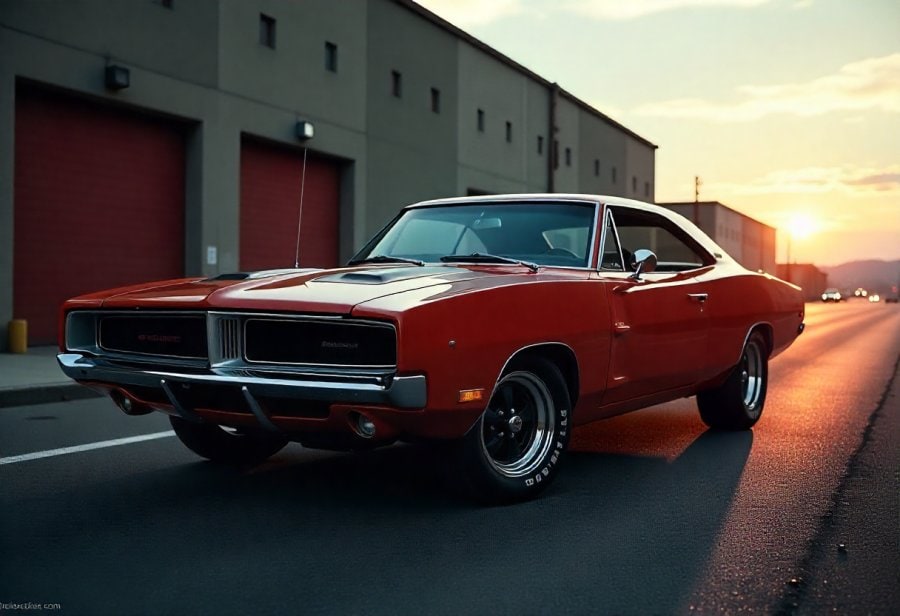
Unleashing Freedom: The Cultural Legacy of the Dodge Charger
The Dodge Charger has long stood as a symbol of American muscle and rebellious spirit. Since its debut in the late 1960s, it has captured the imagination of car enthusiasts and pop culture alike with its bold design and thunderous engines. The Charger’s commanding presence isn’t just about speed; it’s about making a statement on the road. Its aggressive stance, muscular lines, and distinctive grille instantly announce that this isn’t just any car—it’s a declaration of freedom and individuality.
Over the years, the Charger has evolved without losing sight of its roots. It embodies the raw power and defiant attitude that made it a legend. Whether tearing down city streets or parked in a crowd, it commands attention and respect. Its deep, guttural engine notes serve as a primal call to those who see driving as an act of rebellion—an expression of independence that refuses to conform. Every roar, every rumble tells a story of strength, freedom, and a love for the open road.
The legacy of the Charger is rooted in its history as a performance machine. The early models, especially the iconic 1969 Charger R/T with its legendary 426 HEMI engine, set the tone for what it means to be a muscle car. These vehicles became symbols of liberation, often featured in movies, music videos, and street racing scenes that celebrated their raw power and rebellious attitude. Their long hoods, bold styling, and distinctive taillights made them more than cars—they became cultural icons that embodied the fearless spirit of American muscle.
What makes the Charger truly special is its ability to adapt and evolve while maintaining its rebellious essence. Today’s models still feature that aggressive stance and thunderous sound, but with modern technology and performance upgrades. This blend of classic aesthetic and contemporary innovation keeps the Charger relevant and desirable. It continues to inspire a new generation of drivers who crave primal road power and the unapologetic attitude that has defined it for decades.
At its core, the Dodge Charger isn’t just about horsepower—it’s about the feeling of liberation behind the wheel. It’s about pushing limits, standing out from the crowd, and living life on your own terms. As a symbol of American muscle and rebellion, the Charger remains a powerful reminder that true freedom is found in the roar of an engine and the open road ahead.
From Roots to Revolt: The Evolution of the Dodge Charger
The Dodge Charger’s story begins in the late 1960s, a pivotal era when muscle cars became symbols of speed, rebellion, and American ingenuity. Dodge aimed to craft a vehicle that combined aggressive styling with high-performance capabilities, and the Charger quickly rose to meet that challenge. Its debut models, introduced in 1966, featured a sleek, aerodynamic profile with a long hood, a fastback roofline, and a bold front grille. Underneath, legendary engines like the 426 HEMI signaled that this car was built to dominate the streets and drag strips alike.
As the years progressed, the Charger underwent several design shifts that reflected shifting tastes and technological advances. The late ’60s and early ’70s marked its heyday, with models like the 1969 Charger R/T capturing the imagination of enthusiasts with their raw power and muscular presence. These cars weren’t just about straight-line speed—they embodied a rebellious spirit, often appearing in movies, music videos, and street racing scenes that celebrated their fierce attitude and striking styling. Their muscular lines and distinctive details, such as the signature grille and long hoods, made them instantly recognizable symbols of American muscle.
However, the 1970s brought significant challenges. Rising insurance costs, stricter emissions standards, and changing consumer preferences led to a decline in muscle car popularity. Dodge kept the Charger alive with limited editions and updates, but its presence on the streets faded. Despite that, the core elements—aggressive looks, powerful engines, and a rebellious attitude—continued to resonate with dedicated fans and collectors. The Charger’s reputation as a street racing icon and cultural staple endured, even as the model’s production slowed.
The early 2000s marked a major turning point, as Dodge decided to revive the Charger and reconnect with its roots. Modern iterations retained the classic long hood and muscular stance but integrated sleek, contemporary styling cues. Under the surface, they featured advanced suspension systems, turbocharged engines, and improved handling, bringing primal road power into the 21st century. This revival struck a chord, re-establishing the Charger as a versatile muscle car that still carried the rebellious spirit that made it legendary.
High-performance variants like the SRT Hellcat reaffirmed the Charger’s status as a street racing beast. Equipped with supercharged HEMI engines delivering staggering horsepower, these models combined retro-inspired looks with cutting-edge technology. The Charger evolved into a modern muscle car capable of tearing through asphalt with thunderous authority while maintaining its iconic presence. Its design merged nostalgic elements with contemporary features, ensuring it remains relevant and desirable among enthusiasts and newcomers alike.
Throughout its history, the Charger has proven its resilience and adaptability. From its roots as a raw, rebellious machine to its current status as a high-tech powerhouse, it embodies the enduring spirit of American muscle. Its evolution reflects a careful balance—honoring its past while embracing innovation—making it a true legend that continues to inspire new generations of drivers craving primal power and rebellious attitude.
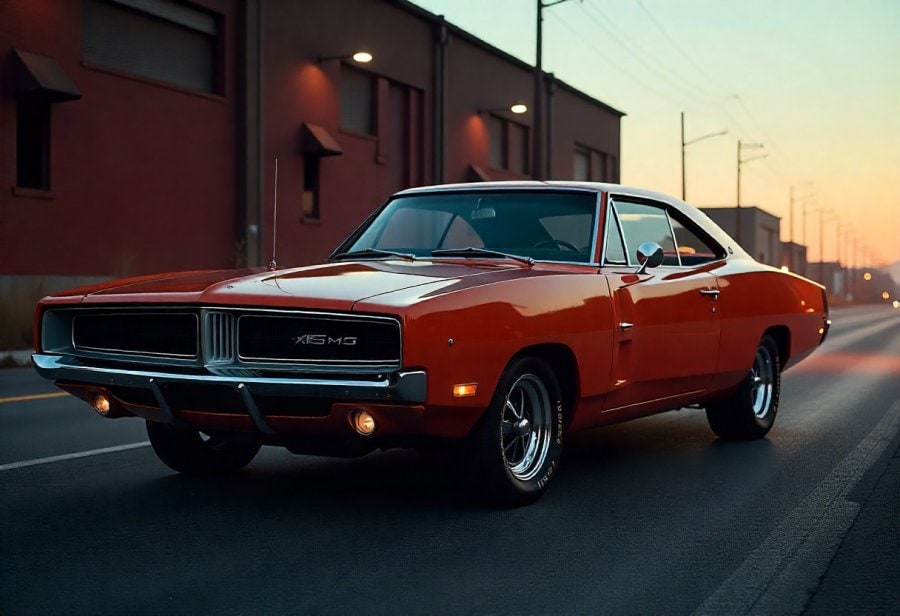
Modern Powerhouse: The Dodge Charger Today
The modern Dodge Charger continues to stand out as a true icon of American muscle, blending bold design with cutting-edge technology. Its silhouette pays homage to its muscle car roots, featuring sleek, muscular lines, a wide grille, and signature LED lighting that command attention on the road. This striking exterior isn’t just about aesthetics—it’s engineered for performance, offering stability and presence that make every drive feel special.
Inside, the Charger balances primal power with contemporary comfort. High-resolution infotainment screens, premium audio systems, and driver-assist features like adaptive cruise control and lane-keeping make it as practical as it is thrilling. Despite the tech enhancements, the core appeal remains rooted in its roaring engine and explosive acceleration, ensuring that the visceral experience of driving a muscle car endures.
Under the hood, the latest Charger offers a range of powerful engine options. From the versatile 3.6L Pentastar V6 to the formidable 6.2L HEMI Hellcat supercharged V8, each delivers impressive horsepower and torque. These engines keep the spirit of street racing alive, roaring through city streets or open highways with authority. The engineering advances, including improved handling and braking systems, make these models not just powerful but also agile and responsive.
Recent updates focus on performance and sustainability. Features like adaptive suspension, aerodynamic refinements, and smartphone integration enhance driving dynamics and convenience. Dodge has also introduced hybrid variants, aiming to deliver the primal road power fans crave while addressing environmental concerns. These models aim to combine raw muscle with better fuel efficiency, appealing to a new generation of enthusiasts who want performance without compromise.
Design-wise, the modern Charger continues to evolve with sharper lines and more prominent details that emphasize its aggressive stance. LED accents and refined aerodynamics give it a contemporary edge, while preserving its unmistakable muscular profile. Whether cruising through urban streets or tearing up the highway, the Charger’s commanding presence and unmistakable growl turn heads and make a statement.
Beyond its technical prowess, the Charger remains deeply embedded in popular culture. Its appearances in movies, music videos, and street racing scenes reinforce its reputation as a street racing beast. Enthusiasts and tuners continue to push its limits, upgrading exhausts, engines, and performance parts to keep the spirit of rebellion alive. The modern Charger is more than just a car; it’s a symbol of raw American muscle and freedom that continues to inspire.
In essence, today’s Dodge Charger is a perfect blend of tradition and innovation. It honors its legendary past while embracing the future with hybrid options and smart technology. Its enduring appeal lies in its ability to deliver primal road power and rebellious attitude, making it a true modern muscle car that’s ready to ignite the road’s primal instincts for years to come.
Roaring Rebellion: The Charger’s Role as a Street Racing Icon
The Dodge Charger’s thunderous roar and raw power have made it a favorite among street racing and car tuning communities. Its deep, guttural engine notes, especially from the supercharged HEMI variants, command attention the moment it revs. That signature growl isn’t just noise—it’s a declaration that this car means business, instantly signaling to fellow enthusiasts that the Charger is ready to dominate. In underground races or late-night street scenes, that roar becomes a primal call, drawing a crowd and setting the tone for high-stakes performance.
Many owners go beyond factory settings, upgrading their exhaust systems to amplify that legendary sound. Performance headers, aftermarket mufflers, and tuned exhausts turn the Charger’s engine note into a menacing symphony of power. These modifications do more than just boost sound—they enhance performance, giving drivers that extra edge in acceleration and torque. It’s not uncommon to see tuned Chargers tearing through city streets, their engines roaring like a predator on the hunt.
Design and engineering contribute heavily to the Charger’s racing appeal. Its wide stance and muscular lines provide stability at high speeds, while the low center of gravity improves handling during tight turns and quick accelerations. Enthusiasts often tweak suspension setups to sharpen responsiveness, making the car feel glued to the road. Upgrading brakes and lightweight wheels further optimize speed and control, allowing drivers to push their Chargers closer to their limits without losing confidence.
Pop culture has cemented the Charger’s reputation as a street racing beast. From movies to music videos and viral street race clips, its image as a fierce, unstoppable force is everywhere. This visibility fuels a passionate community eager to modify and improve their cars, keeping the spirit of rebellion alive. Engine swaps, supercharger add-ons, and performance tuning are common, all aimed at unleashing even more primal road power.
The Charger’s aggressive styling isn’t just for show; it’s engineered for performance. Its muscular profile and bold details aren’t just aesthetics—they’re designed to inspire confidence and intimidate rivals. Many tuners and racers see their Chargers as blank canvases, transforming them into unique expressions of rebellion and speed. This culture of customization helps sustain the Charger’s fierce reputation, making every street race an opportunity to showcase individuality and power.
For street racers, the roar of a Charger isn’t just sound—it’s a statement. It signals dominance, readiness to compete, and a refusal to conform. That commanding growl and explosive acceleration embody the rebellious spirit that has made the Charger a legendary muscle car for decades. Every rev and every burst of speed is a reminder that this car isn’t just built to run; it’s built to rule the streets.
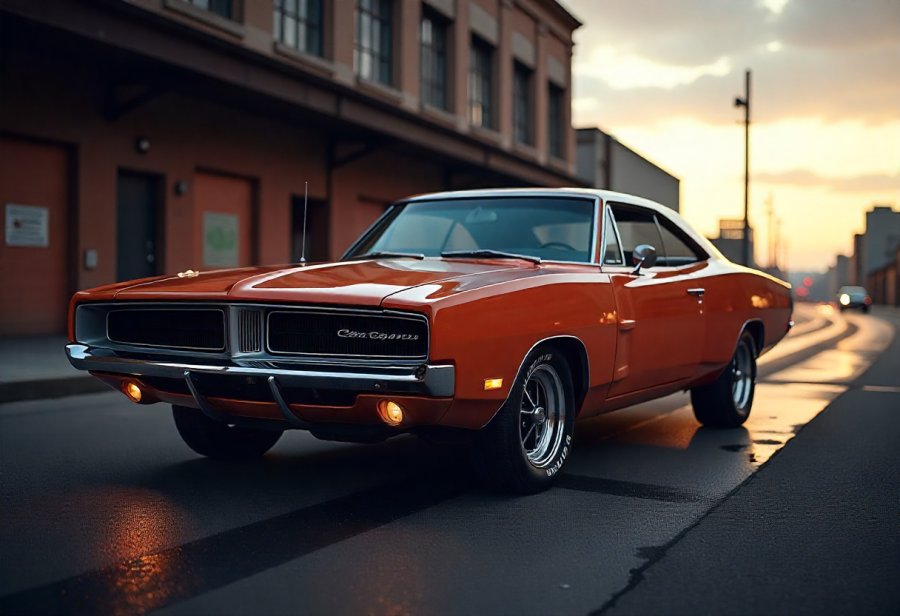
Pioneering the Future: Innovations and the Continuing Legacy of the Dodge Charger
Looking ahead, the Dodge Charger’s future is set to blend its legendary primal road power with the rapid pace of automotive innovation. As the industry heads toward electrification, expect to see hybrid and fully electric versions that aim to preserve the Charger’s iconic roar and aggressive attitude. Advances in battery technology, regenerative braking, and lightweight materials could help maintain its performance edge while meeting stricter emissions standards. The challenge will be recreating that deep, guttural sound—electric motors are quieter, but engineers are exploring sophisticated audio tech to mimic the primal growl that defines the Charger’s presence.
Alongside powertrain advancements, smarter driving features will likely become standard. Adaptive suspension systems, enhanced traction control, and connectivity options like smartphone integration will make the Charger not just more powerful, but also more capable and user-friendly. These updates will help deliver the raw emotion that’s synonymous with the Charger, combined with improved handling and safety. For enthusiasts, this evolution isn’t about losing the vibe—it’s about amplifying the experience with cutting-edge tech that keeps the spirit of rebellion alive.
Despite these technological shifts, the core identity of the Charger as a street racing and rebellious icon will stay intact. Dodge’s legacy revolves around performance and attitude, and that won’t change overnight. Instead, expect the brand to marry its muscle car heritage with innovative hybrid or electric setups that still emit a fierce presence on the road. Some prototypes hint at hybrid systems that combine electric torque with a roaring engine soundtrack—an exciting nod to sustainability without sacrificing primal road power.
The passionate community of tuners and modifiers will continue to shape its evolution. As new technologies emerge, they’ll find ways to incorporate hybrid systems or electric motors into their custom builds, pushing performance boundaries even further. Engine swaps, sound engineering, and performance upgrades will keep the Charger’s rebellious DNA alive, ensuring it remains a symbol of American muscle and freedom even as it adapts to a changing landscape.
Design-wise, the Charger’s signature muscular profile will evolve with sharper lines and more dynamic details, emphasizing agility and modernity. The integration of LED lighting, aerodynamic refinements, and bold accents will reinforce its commanding presence, whether cruising through city streets or tearing down highways. The goal is to keep that unmistakable silhouette fresh and relevant, appealing both to loyal fans and new drivers craving primal power with a contemporary edge.
In the end, the Charger’s legacy isn’t just about the past—it’s about how it adapts and continues to ignite primal instincts on the road. Whether powered by thunderous V8s or driven by cutting-edge electrification, the Charger will remain a bold symbol of rebellion and power. Its future will be shaped by innovation and tradition coexisting—driving forward while staying true to the fierce, unfiltered spirit that has made it a legend for generations.